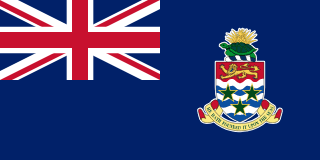
🇰🇾 Cayman Islands
ISO CYM / KY
Regulatory
- MLC 2006
- ratified (2013-08-07)
- Paris MoU rating
- white
- Tokyo MoU rating
- white
- USCG Qualship 21
- listed
- ITF FoC
- listed as Flag of Convenience
Registry
- Vessel count
- 200
- Deadweight
- 8
- Administration
- Cayman Islands Shipping Registry
- File a complaint
- Official form
British Overseas Territory; popular for luxury yachts and commercial vessels
Compliance history
- Tokyo MoU
This page could not be found. Maybe try a search?
ページが見つかりませんでした - Tokyo MOU - ILO NORMLEX
ILO is a United Nations Agency
Ratifications of ILO conventions: Ratifications for
Country context
- Population
- 75,844 (2025)
- GDP per capita
- $104,293 (2024)
- Income group
- High income
- Region
- Latin America & Caribbean
Source: World Bank Open Data.
What this means for seafarers
- MLC 2006: This flag has ratified MLC 2006. Vessels must hold a valid Maritime Labour Certificate + DMLC Part II posted onboard. You can file an MLC complaint via the flag administration.
- Port-state-control profile: high-performing flag — fewer detentions on average. Read about PSC regimes →
- ITF Flag of Convenience: This flag is on the ITF FoC list. ITF Total Crew Cost (TCC) scale applies as the wage floor. Contact an ITF inspector at the next port if your contract is below TCC. Unpaid-wages route →
- STCW: Party to STCW. Verify a CoC issued under this flag at the administration.
See also: flag risk explained · MLC ratification list · white/grey/black lists.
Reference
- III Code — the IMO flag-state audit scheme measuring implementation of IMO instruments.
- Port state control — how Cayman Islands-flagged ships are inspected + detained in foreign ports.
- Minimum safe manning — the SOLAS V/14 basis for Cayman Islands's manning documents.
- Marine cyber incidents — case studies + the IACS UR E26/E27 cyber-resilience regime.
Ships flying Cayman Islands
- Scorpio Tankers Bahamas · IMO 9355781 · Tanker
- Tatoosh · IMO 1006336 · motor yacht
- Predator · IMO 1009314 · motor yacht
- C2 · IMO 1009833 · motor yacht
- Serene · IMO 1010090 · motor yacht
- Symphony · IMO 1012098 · motor yacht
- Nautilus · IMO 1011886 · motor yacht
- Alfa Nero · IMO 1009376 · motor yacht
- Anastasia · IMO 1009388 · motor yacht
- Sunrays · IMO 1010351 · motor yacht
- Pegasus V · IMO 1007794 · motor yacht
- Royal Romance · IMO 1012268 · luxury yacht
- Amaryllis · IMO 1010519 · motor yacht
- Al Mirqab · IMO 1009223 · motor yacht
- Infinity · IMO 1012177 · motor yacht
- Romea · IMO 1012309 · motor yacht
- Lady Sheridan · IMO 1009170 · motor yacht
- Eminence · IMO 1009481 · motor yacht
- Aviva · IMO 1009053 · motor yacht
- Illusion · IMO 1003267 · motor yacht
Top 20 shown. Indexed ships total: 21.
Ports in Cayman Islands
Cayman Islands flag: FAQ
- Is the Cayman Islands flag safe for seafarers?
- The Cayman Islands flag holds a strong port-state-control (PSC) reputation across both Paris MoU and Tokyo MoU regimes. It has ratified MLC 2006, which gives seafarers the international right to inspection and complaint. A safer flag does not mean every vessel is safe — operator + classification society still drive day-to-day conditions.
- Has Cayman Islands ratified the Maritime Labour Convention (MLC 2006)?
- Yes — Cayman Islands has ratified MLC 2006 (ratified 2013). Seafarers serving on Cayman Islands-flagged vessels are entitled to make MLC complaints through the flag administration, port state, or seafarer welfare organisations such as the ITF.
- How do I file a complaint against a Cayman Islands-flagged vessel or operator?
- Complaints can be lodged with the Cayman Islands Shipping Registry via their official complaint procedure. Under MLC 2006, complaints may also be lodged with the port-state authority of any MLC-ratified port. The ITF and seafarer welfare organisations (Mission to Seafarers, Stella Maris, Sailors' Society) can advocate on your behalf. Keep contract, wage records, and seaman's book ready.
- What port-state-control rating does Cayman Islands have?
- Paris MoU rating: white. Tokyo MoU rating: white. PSC ratings classify flags by inspection and detention history. White / low-risk flags face fewer PSC inspections; black / high-risk flags face more frequent inspection and a higher detention rate.
- Is Cayman Islands on the ITF Flag of Convenience (FoC) list?
- Yes — Cayman Islands is listed by the International Transport Workers' Federation as a Flag of Convenience. ITF FoC listing reflects the union's view that the flag has minimal genuine link to the beneficial owner of vessels registered. Seafarers on FoC vessels are eligible for ITF inspector intervention in any major port and for the ITF's globally-negotiated minimum wage benchmark when on an ITF-affiliated agreement.
Compare Cayman Islands with another flag
Put two or three flags side-by-side on the comparison tool.
Compare →High confidence
Editorial confidence: how we grade. Data sources and methodology: /sources.